AUTONOMOUS MOBILE ROBOTS
At Marina Bay Sands, robots work among humans to do the heavy lifting
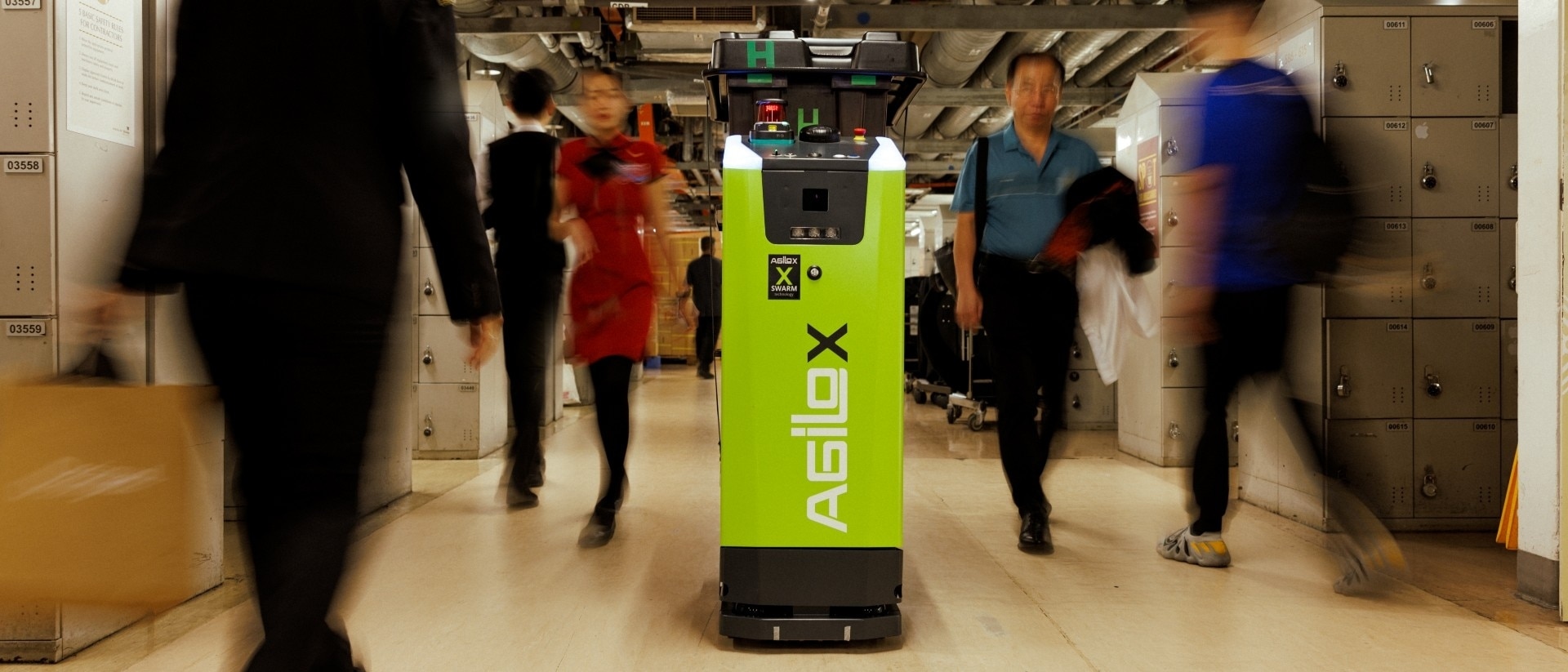
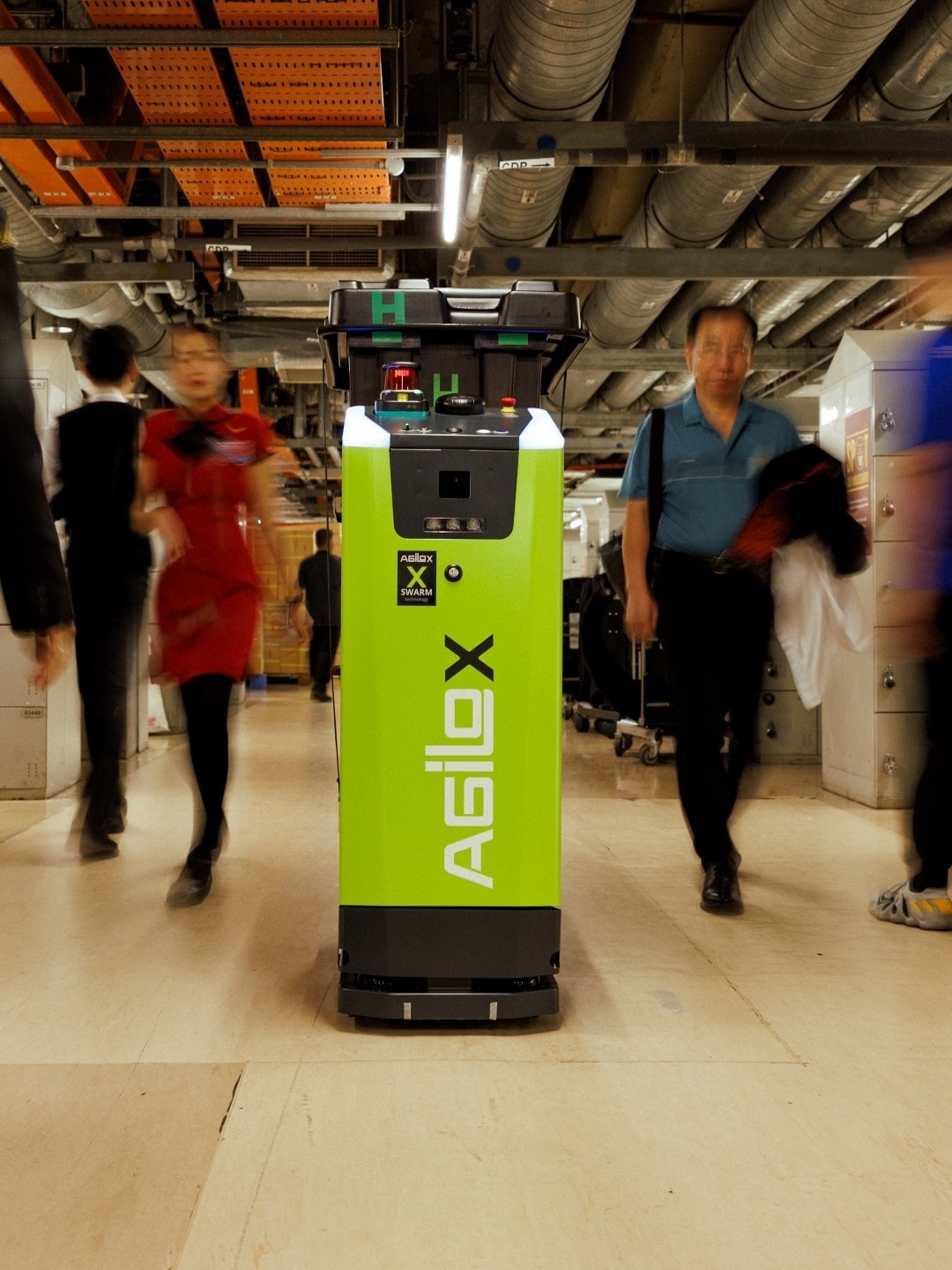
Along the busy corridors at the back of house at Marina Bay Sands, they move quietly and carefully among the thousands of human workers each day.
Frequently stopping to avoid obstacles and people, the autonomous mobile robots (AMRs) transport heavy loads of 300kg – often larger in size than themselves – at Singapore’s iconic integrated resort.
Though something of a curiosity when they move on their own, AMRs are not that new. That said, this is the first time they have been deployed in a hospitality setting in Singapore, mingling with so many humans. They call for lifts and travel across the resort, sharing the space safely with human operators. The AMRs even communicate amongst themselves to ensure obstacle-free journeys.
Already, the AMRs have cut labour dependency by 30 per cent, enabling some staff to be upskilled to manage the robots.
Before the first handful of AMRs were introduced in 2024, Marina Bay Sands had over 200 manual deliveries across 80 routes each day, and this had been surging over the years by 35 per cent as the business expanded. It sought a better way forward than simply adding more trips to each human operator.
Today, 17 AMRs bring raw food items and amenities from loading bays to kitchens or cold storage areas around work areas of the property. Travelling distances of up to 800m, they deliver items beyond the hotel to the Expo & Convention Centre.
Culture of Innovation
The deployment could not have been possible without a spirit of always striving to improve. A culture of innovation at the integrated resort, says Shijith Prathapan, Vice President of Procurement and Supply Chain, has been crucial to breaking new ground.
“We are always testing the boundaries of what we can do,” he says. “With the first AMR rollout of its kind in hospitality, we wanted to take that risk and see how it could improve our operations.”
Having a clear vision and strategy is key, as an innovation has to solve a problem. Talent, funding and technology all play a crucial part, says Prathapan. “And our leadership here has been very, very supportive.”
Overcoming Adversity
Being a pioneer means overcoming problems before anyone else has. AMRs typically operate in factories with minimal human presence, but at Marina Bay Sands they are set to move more slowly – at 84m per minute – and halt instantly if a person appears in their path.
Safety is paramount. The robots must cater to slopes at the back-of-house of Marina Bay Sands and ensure that heavy items they carry do not fall off. These required careful customisations, along with a lot of trial and error.
Calling a lift requires the AMRs to be connected wirelessly to the building systems so they can signal silently for a lift to arrive, load up and go to the right floor. Integration across multiple systems is crucial.
The AMRs also need to be seen as a valuable asset by team members, who are trained to work together to share the load.
Staff give space to the AMRs when they board lifts and learn to be patient as they move around the robots along the corridors. Communications and training for team members were key to integrating the AMRs, says Prathapan.
The deployment team also has to be smart about using the AMRs. The robots sometimes avoid using the lifts during peak hours when staff have to move up and down quickly. This way, deliveries are arranged at times that ensure they go smoothly.
Expanding AMR Use
So successful have the AMRs been that Marina Bay Sands is looking to expand their use to other parts of the property beyond the food supply chain side of the business.
The resort is now conducting proofs of concept for laundry services so the AMRs can carry loads for team members. Also being tested are AMRs for stewarding and housekeeping, so the robots can deliver items such as soap bars and dental kits to restock hotel rooms. These will save team members multiple trips each day.
“We initially rolled the AMRs out purely to solve our supply chain problem,” says Prathapan. “But we are finding more and more use cases across the property and across multiple operations.”