HEAT RECOVERY
Delivering a peerless guest service means finding fault proactively for the facilities team at Marina Bay Sands
In a property as large as Marina Bay Sands, kilometres of electrical wiring run through walls, up the risers and into maintenance rooms to power the lights, air conditioning and a lot more. It may thus seem acceptable if an electrical fault caused the occasional downtime.
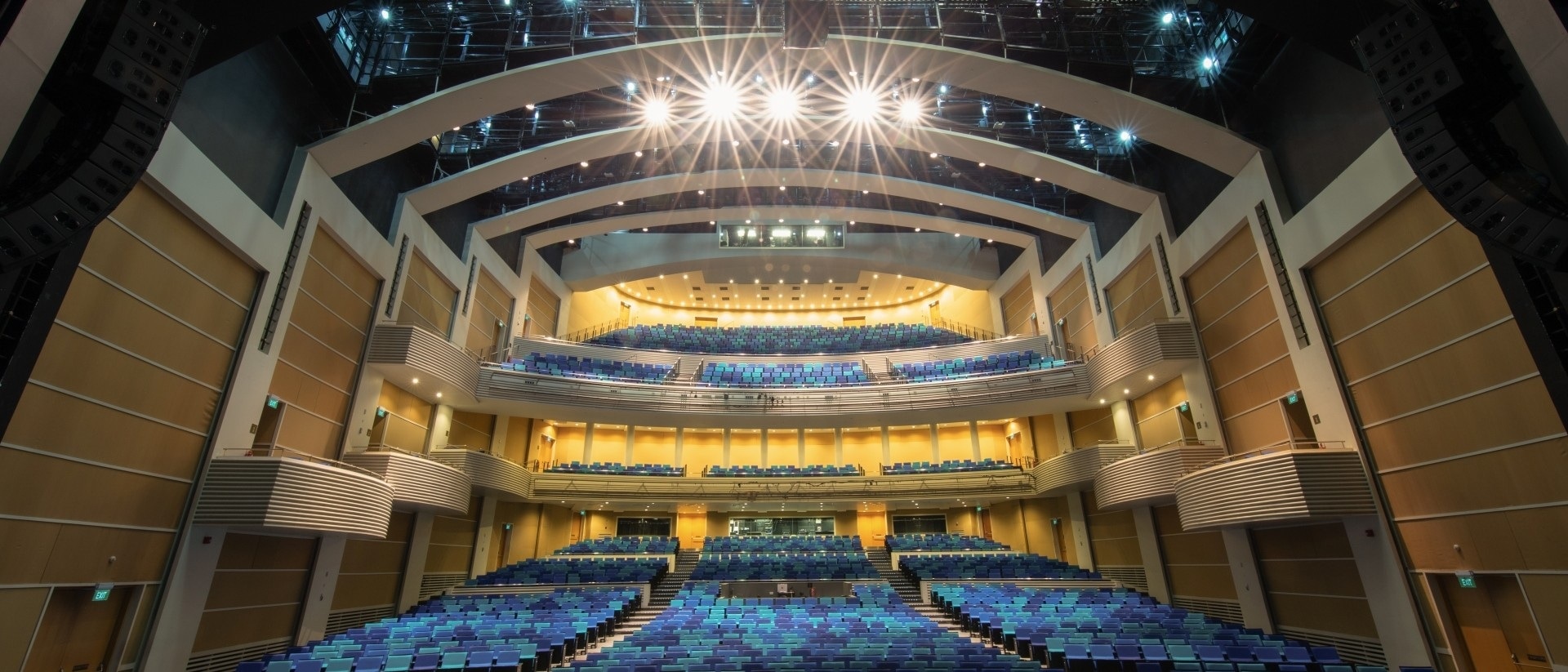
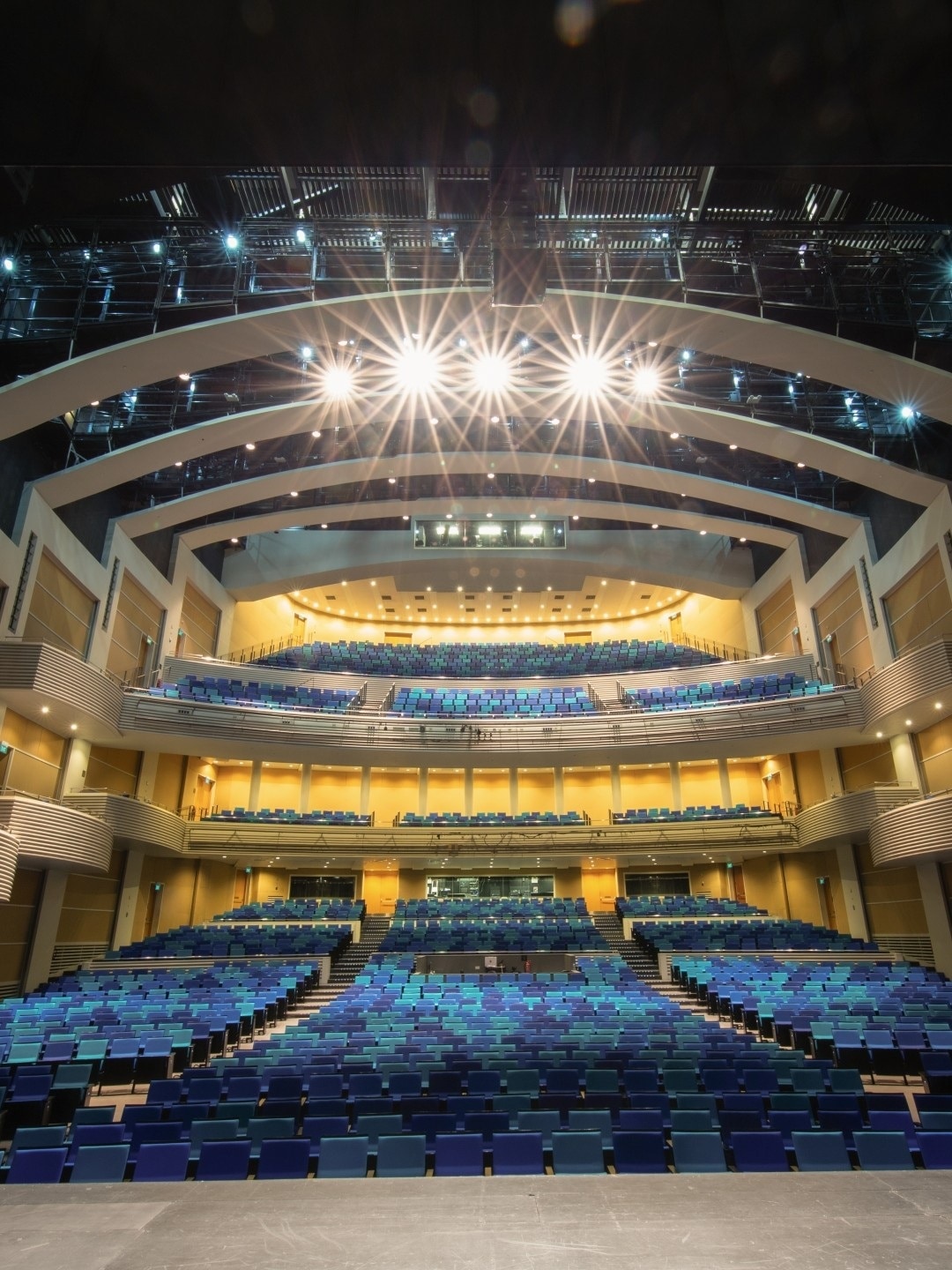
Yet, if a disruption happens during a performance at a theatre or when restaurants are fully packed on a weekend, the impact on guest experiences can be profound and lasting.
This is why Marina Bay Sands has turned to pioneering predictive technology to enable its facilities to run almost free from electrical faults. Proactively finding faults before they can cause a disruption may seem like finding a needle in a haystack, but for Marina Bay Sands, the end goal is to deliver guest experiences that never fall short of expectations.
“Service disruption due to engineering faults is a big no for us. That’s why we’re turning to the most cutting-edge predictive technology that is often found in other industries, and adapting it to work in one of the world’s most iconic buildings,” says Sridhar Kandhadai, Senior Vice President for Property and Asset Management at Marina Bay Sands.
Key to this effort are specialised sensors – the first in the industry – that can pre-emptively detect an anomaly, such as a partial electrical discharge, that could cause damage to equipment and result in a breakdown.
As cables suffer from wear and tear over time, the insulation that protects against accidental short circuits often fails and causes small sparks. These could, over time, escalate to severe damage, causing electricity supply to be disrupted.
Earlier this year, the facilities team at Marina Bay Sands prevented one such incident after finding unusual signals from a advance specialised sensors attached to an electrical transformer near Sands Theatre.
Sure enough, when the team turned up to take measurements with a meter, there was a significant cable fault. If not for the early warning, it could have caused a disruption at the theatre.
Creating a breakthrough solution
The solution may seem simple but making it work in a property as complex as Marina Bay Sands means breaking new ground. There were no ready-made solutions.
So, the facilities team at the integrated resort carefully studied its electrical systems and customised what was available on the market to make things work.
“Usually, building managers will try to switch over to another circuit if there is a cable fault, but you will have disruption,” says Kandhadai. “We said, ‘How can we detect a partial discharge ahead of time so before it fails, we can switch over to another circuit and then change the cable’.”
At the theatre and at various parts of the property, the facilities team has set up a Power Management Control System (PMCS) that auto-detects electrical failure and switches to alternative circuits to prevent a disruption.
By studying the frequency changes in the cables over time, the team has managed to identify unusual signals that could pinpoint issues before they happen, says Kandhadai.
The result: Fewer disruptions caused by electrical systems.
Elsewhere on property, vibration sensors - more commonly found in the oil and gas industry - have been installed in the kitchen exhaust fans of various restaurants operated by the integrated resort. The goal? To detect by-products like smoke, steam and heat that comes ahead of an equipment breakdown to pre-empt a full-blown equipment failure, and ultimately service disruption.
“By predicting failure of kitchen exhaust fans, our maintenance teams can proactively rectify small faults before they result in an unplanned shutdown. If the kitchen exhaust fans don’t work, basically the kitchens can’t function and our restaurants cannot operate,” says Kandhadai. “These vibration sensors prevent the worst scenarios from happening.”
In addition, Marina Bay Sands’ kitchens use a grease detector equipped with industrial grade radar technology to detect grease levels and help reduce oil released to sewage. Cleaning is now carried out only when needed, instead of at fixed intervals, optimising the use of precious manpower.
An open platform for the future
With so many assets to manage, a big challenge for the facilities team is understanding the signals that are sent from equipment, from heat pumps to electrical transformers.
The next big step for Marina Bay Sands is having the property’s sensors bring together the data and truly “talk” to one another, says Kandhadai.
It’s not enough for a piece of equipment to say “I have a problem” – the analysis should be that it is “too warm or too cold” and a component needs replacement. This means less time troubleshooting to fix an issue.
It is also why Marina Bay Sands is experimenting with an open platform that promises to connect its 35,000 sensors on-property and make sense of the 140,000 data points being monitored.
This could enable the disparate systems, which now speak in different platform languages, much like “English and Latin”, to speak to one another to provide a more complete picture of what’s happening, says Kandhadai.
This platform could be the foundation to make use of AI and quickly find issues proactively in future, he adds, cautiously. With AI, he, notes, data is critical. Without that, it is difficult to make sense of what’s on the ground to find a real solution.
All these efforts may seem to go against conventional thinking for many facilities managers and engineers. After all, if something is working, why risk breaking things by trying to improve?
The difference, says Kandhadai, is that Marina Bay Sands is always looking ahead to improve.
The integrated resort accepts that not every experiment will bear fruit, but there is an understanding that delivering a peerless guest experience means teams must work out of their comfort zones, he adds.
“We want to make the guest experience better and better and we are willing to do things differently,” he notes.
“So, there’s a possibility a project might fail but we will learn and do better next time,” he adds. “And then let's see how we make it succeed the next time around or the next third time around.”