17 Jan – 10 May 2026
 |
Sun – Thu: 10am – 7pm (Last entry at 6pm) |
|
Fri – Sat: 10am – 9pm (Last entry at 8.15pm) |
Singapore Residents Adult: From S$8 Concession: From S$6 |
Tourists Adult: From S$9 Concession: From S$7 |
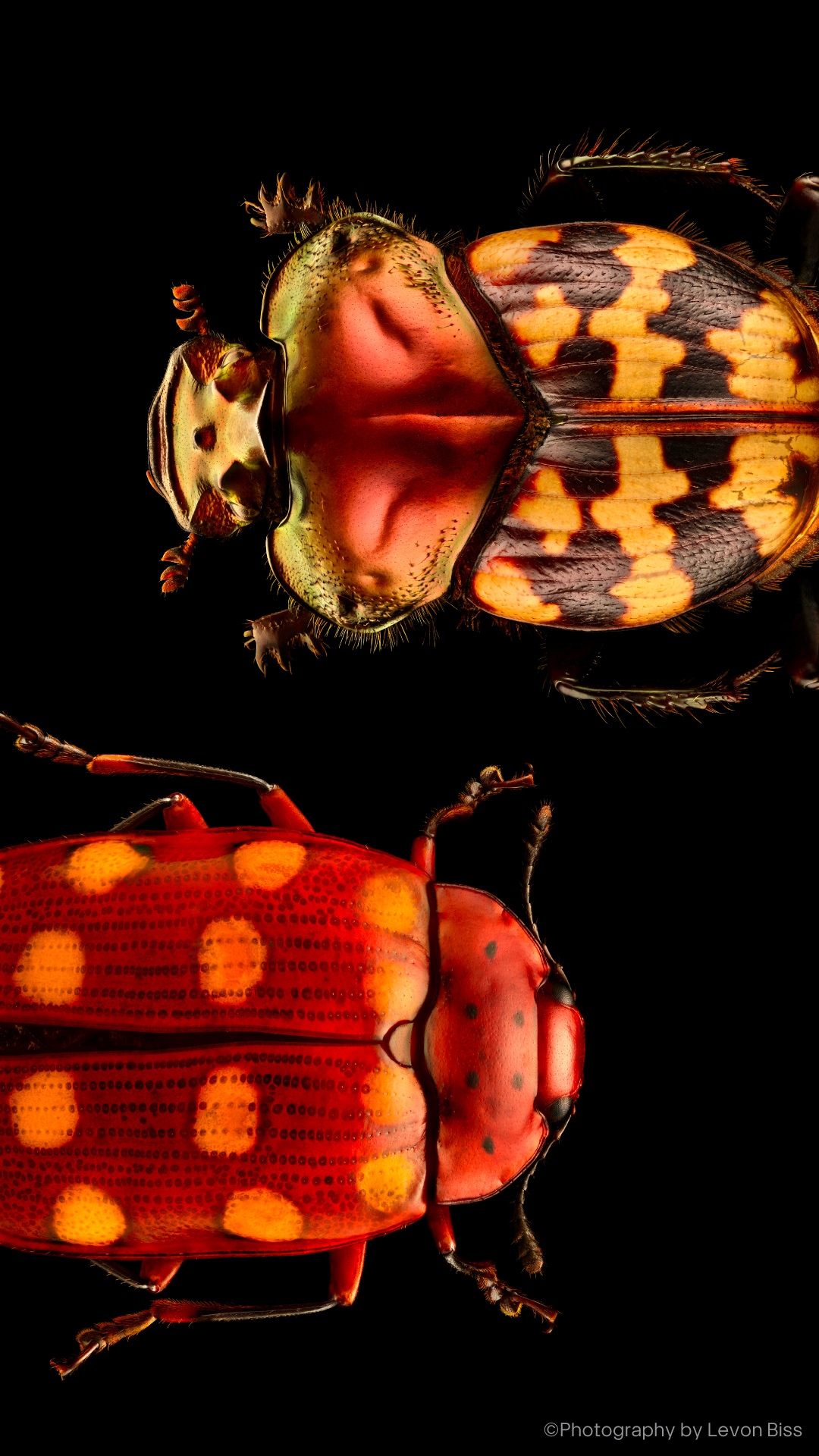
Explore the hidden beauty of insects, magnified into captivating works of art that uncover intricate details, complex forms and surprising worlds up close.
Curated by ArtScience Museum in collaboration with the American Museum of Natural History and enriched by scientific research from Singapore, Insects: Microsculptures Magnified brings global perspectives into dialogue with local discovery.
The exhibition features 37 monumental, high‑magnification portraits of insects from the Oxford University Museum of Natural History, captured by award‑winning British photographer Levon Biss. The exhibition also depicts the rich diversity of insect life in Singapore. It highlights how scientists working in the nation’s forests and laboratories are making significant discoveries that advance fields from ecology and conservation to biomimetic engineering. With contributions from Lee Kong Chian Natural History Museum, Nanyang Technological University, A*STAR and Singapore Geographic, the show reveals how research conducted here is shaping international understandings of insect diversity and inspiring new applications across science and technology.
Insects: Microsculptures Magnified is presented as part of Forms of Life, a year‑long season of exhibitions and programmes exploring the wider ecology of life beyond the human.
Exhibition View of Singapore Geographic’s Selected Videos
Singapore Geographic is an independent visual documentary platform dedicated to recording Singapore’s natural world. Through short-form documentaries and field-based footage, Singapore Geographic brings viewers closer to the region’s rich biodiversity—highlighting insects, plants, animals and ecosystems that often go unnoticed in everyday life.
The videos featured in the exhibition were filmed across Singapore’s green spaces, including Choa Chu Kang Park, Clementi Forest, Dairy Farm Nature Park, Sungei Buloh Wetland Reserve and Thomson Nature Park. These selections explore insect behaviour, pollination, camouflage, survival strategies and human–nature relationships, inviting us to look more closely at the extraordinary life forms thriving within familiar landscapes.
Exhibition View of Insects: Microsculptures Magnified
Exhibition View of Insects: Microsculptures Magnified
Exhibition View of Insects: Microsculptures Magnified
Exhibition View of Singapoe Science Discoveries at Insects: Microsculptures Magnified
Exhibition View of Mantodea (Mantises) and Orthoptera (Grasshoppers, Crickets and Katydids) of Southeast Asia
Courtesy of Lee Kong Chian Natural History Museum, National University of Singapore
Exhibition View of Coleoptera (Beetles) of the World
Courtesy of Lee Kong Chian Natural History Museum, National University of Singapore
Scanning Electron Microscope Image of Cicada Wing Nanostructure (2025)
Courtesy of Agency for Science, Technology and Research (A*STAR)
Scanning Electron Microscope Image of Synthesised Nanostructure (2025)
Courtesy of Agency for Science, Technology and Research (A*STAR)
Scanning Electron Microscope Image of Microbe Cells on Nanostructured Surface (2025)
Courtesy of Agency for Science, Technology and Research (A*STAR)
From Insect Wings to Engineered Surfaces
Inspired by the microscopic architecture found on the wings of cicadas and dragonflies, scientists at Singapore’s Agency for Science, Technology and Research (A*STAR) have translated natural design principles into advanced materials that can actively resist bacteria, repel water and remain clean without the need for chemical cleaning agents.
Under high magnification, the wings of these insects reveal dense forests of nanoscale pillars—structures invisible to the naked eye yet remarkably effective at rupturing bacterial cell membranes on contact, preventing microbial build-up while also creating surfaces that repel water and dirt. At A*STAR laboratories, these research findings are re-engineered into synthetic nanostructured coatings. Applied to everyday materials—such as gauze, paper and textiles—these coatings transform surfaces, making them antimicrobial, waterproof, or both.
Exhibition View of Lace Bug Specimen, Stephanitis kardia (2024)
Courtesy of Yap Ee Hean
Re-discovery of a Rare Lace Bug: Stephanitis kardia
This lace bug species, belonging to the family Tingidae, is one of the rarest lace bugs in the world. For more than a century, Stephanitis kardia was known only from two specimens collected by American naturalist Charles Fuller Baker in Singapore in 1917. Its recent re-discovery marks the first confirmed record of the species since its original description. The species was re-discovered by local nature enthusiasts Yap Ee Hean and Rene Ong in September 2024 at the Singapore Botanic Gardens – where it had originally been collected.
Exhibition View of Plant Bug Specimen, Campylomma Singapura (2025)
Courtesy of Lee Kong Chian Natural History Museum, National University of Singapore
Discovery of New Plant Bug Species: Campylomma singapura
This plant bug species was discovered during field surveys conducted within the National University of Singapore campus. While examining a sea hibiscus (Hibiscus tiliaceus) growing along a roadside, the researchers noticed several small plant bugs living on the underside of the flowers.
Closer examination revealed that these specimens did not match any previously recorded species within the genus Campylomma. Detailed morphological study and comparison with known records confirmed that the insect represented a species new to Science. Besides naming the new species after its place of discovery— and only known occurrence so far—the name is a timely tribute to Singapore’s 60th year of independence in 2025.
Fieldwork in Singapore’s Forests, conducted by researchers of Tropical Ecology & Entomology Lab, Asian School of the Environment, Nanyang Technological University, Singapore
Rsearchers conducting DNA analysis on dung beetles
Courtesy of Tropical Ecology & Entomology Lab, Asian School of the Environment, Nanyang Technological University, Singapore
Mapping Singapore’s Dung Beetles
Dung beetles play a vital but often overlooked role in tropical ecosystems. By burying animal dung, they recycle nutrients into the soil, help disperse seeds, reduce greenhouse gas emissions and support healthier ecosystems. Their presence also offers insight into mammal populations and broader environmental change.
Despite their importance, dung beetles in Southeast Asia remain poorly documented. Researchers at the Nanyang Technological University Asian School of the Environment’s Tropical Ecology & Entomology Lab (NTU ASE TEE Lab) are addressing this knowledge gap by producing the first comprehensive species checklist of Singapore’s dung beetles, documenting over 35 species across 11 genera. Through extensive field surveys in forests and urban green spaces, the team combines traditional morphological identification with DNA barcoding—an integrative taxonomic approach that reveals hidden species diversity and clarifies long-standing misidentifications.
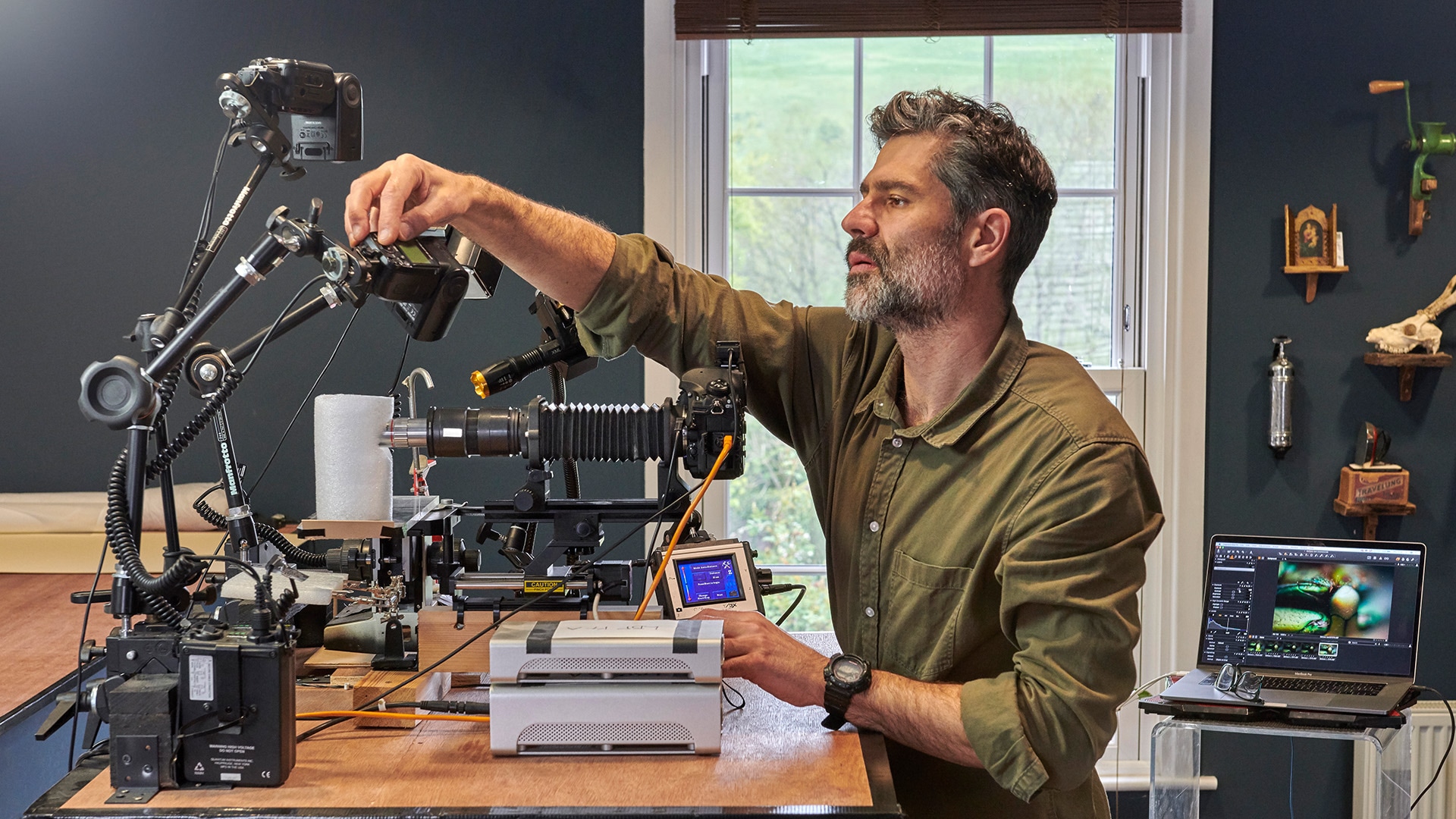
Levon Biss is a British artist widely recognised as one of the leading macro photographers of his generation. His photography has been exhibited internationally and is held in numerous public and private collections. Working primarily with a custom-built camera system designed for extreme macro photography, Biss focuses on natural history—creating images that reveal aspects of the natural world normally invisible to the naked eye. He has collaborated with major museums across Europe, the Middle East and the United States, and his earlier project Microsculpture has been presented in over 22 countries, across 44 cities. Biss’ TED talks on his photographic techniques and projects have been viewed by millions and his images are widely used in schools to engage and inspire the next generation with nature, science and art.
To view more of Levon Biss’s work visit www.levonbiss.com.

Oxford University Museum of Natural History was established in 1860 to draw together scientific studies from across the University of Oxford. Today, the award-winning Museum continues to be a place of scientific research, collecting and fieldwork, and plays host to a programme of events, exhibitions and activities for the public and school students of all ages.
Highlights in the collections include the world's first scientifically described dinosaur—Megalosaurus bucklandii—and the world-famous Oxford Dodo, the only soft tissue remains of the extinct dodo.
The Museum is part of the University of Oxford's Gardens, Libraries and Museums and is overseen by the Board of Visitors and supported by Honorary Associates. The Pitt Rivers Museum of anthropology and archaeology adjoins the Museum building.

American Museum of Natural History (AMNH) is a major centre of research and education on the natural sciences. Established in New York City in 1869, it pioneered in mounting field expeditions and in creating dioramas and other lifelike exhibits showing natural habitats and their plant and animal life.
The museum’s collections of research specimens number more than 30 million, and its collections of fossils and of insects are among the largest in the world. Its exhibits of fossil dinosaurs and mammals are particularly impressive.
The museum conducts research in anthropology, astronomy, entomology, herpetology, ichthyology, invertebrates, mammalogy, mineralogy, ornithology, and vertebrate palaeontology.
The Museum of Natural History receives around 650,000 visitors a year and was a Finalist in the Art Fund Prize for Museum of the Year 2015. Its internationally-important insect collection contains more than seven million specimens drawn from every country in the world, including specimens from some of the most remote regions and islands. Combined, the Museum’s collections represent a vast repository of information on biodiversity.
Feb – May 2026
A micro festival of insects, machines and intelligent futures
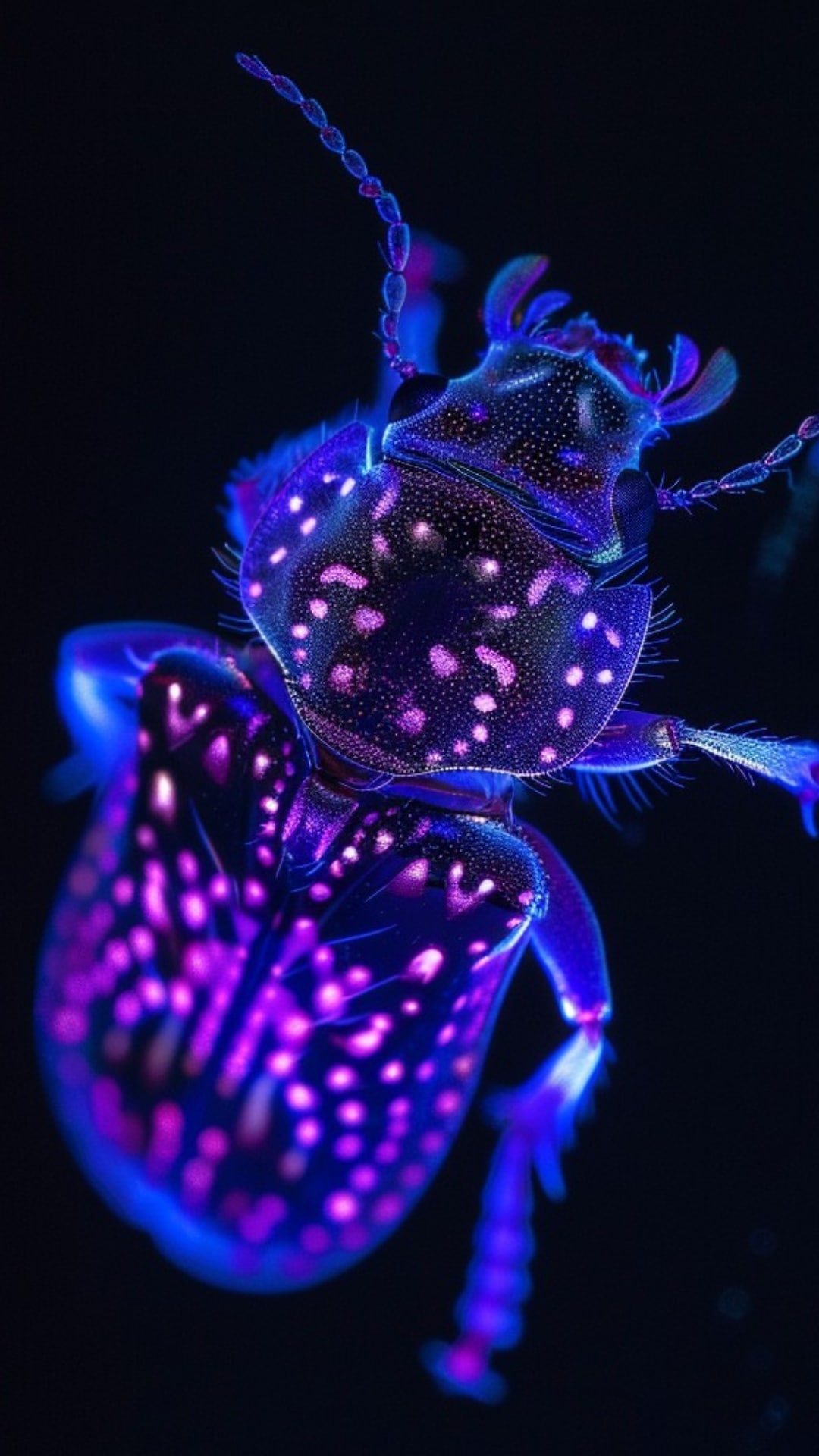
Signal & Swarm is a micro festival that explores intelligence in all its forms — biological, digital and mechanical. Inspired by the intricate worlds of Insects: Microsculptures Magnified and NOX: Confessions of a Machine, the programme weaves together practices of care, curiosity and co-evolution to invite reflection on urban futures, machine empathy and the hidden lives of insects.

Feed your mind with new ideas and fresh insights by joining our community as a ArtScience Friend. Membership allows unlimited access to exhibitions and selected programmes.
Enjoy 30% off Adult Standard and Concession Standard tickets with your Sands Lifestyle membership. Only available for Single Exhibitions.

With every adult ticket, enjoy complimentary entry for up to four children under 12 years of age on Friday. Not valid during public holidays or Singapore school holidays.

Sip on the most-raved-about artisan Pour Over Coffee, made with Miracle Coffee's roasted, single-origin beans. Created exclusively for Singapore, Kaya Cloud is an Americano-style coffee topped with velvety fresh cream cap flavoured with kaya, complete with shaved gula melaka. Other Singapore-exclusive pastries and sandwiches include Rainbow Cloud, Kopi Choux Puff and Rainbow Roti.
21 Mar – 16 Aug 2026
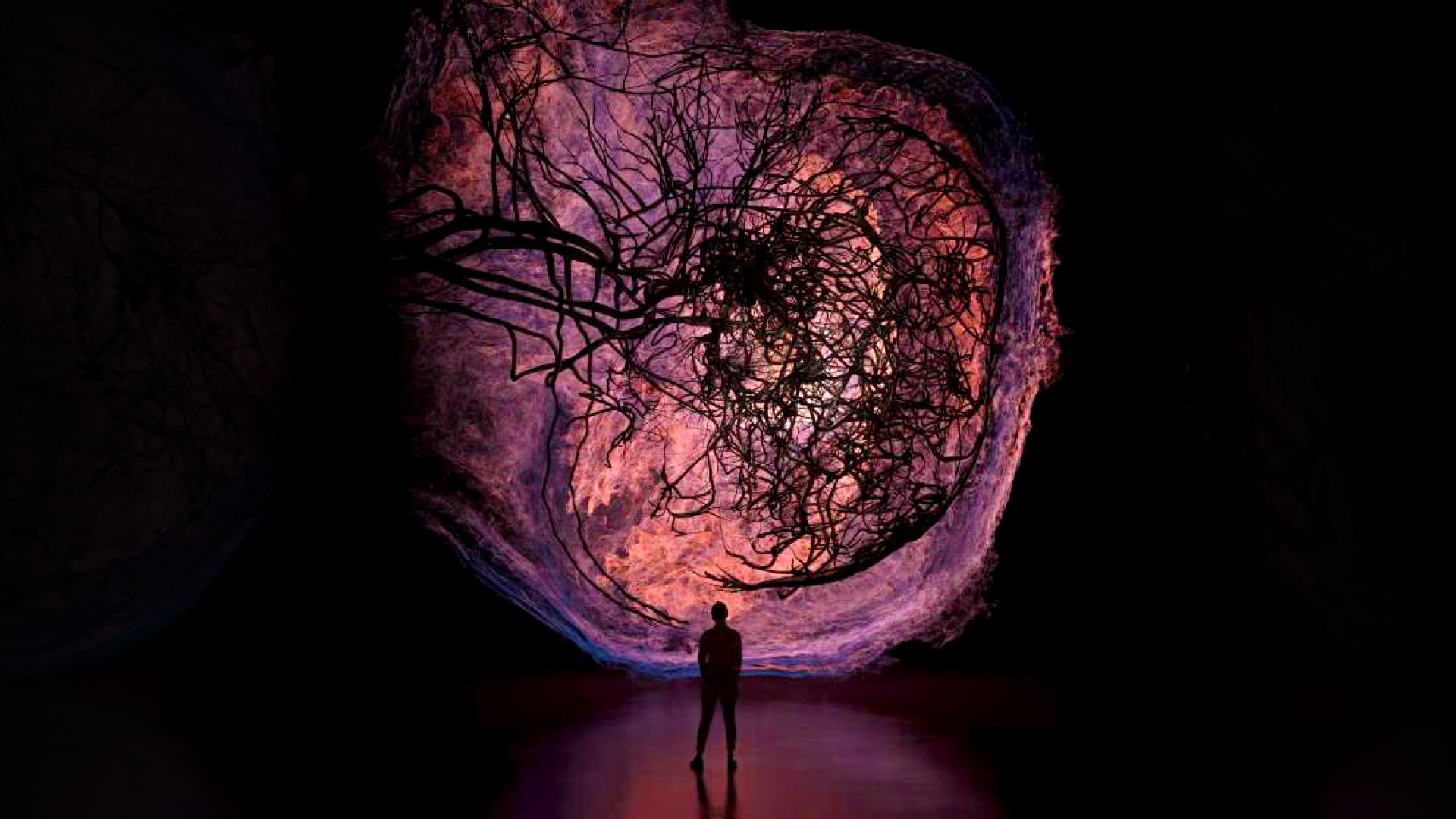
Flesh and Bones traces anatomy as a shared language of art and science, where the body becomes medicine, cosmos, and a vessel for contemplating life, transformation, and afterlife.
6 Jun – 1 Nov 2026
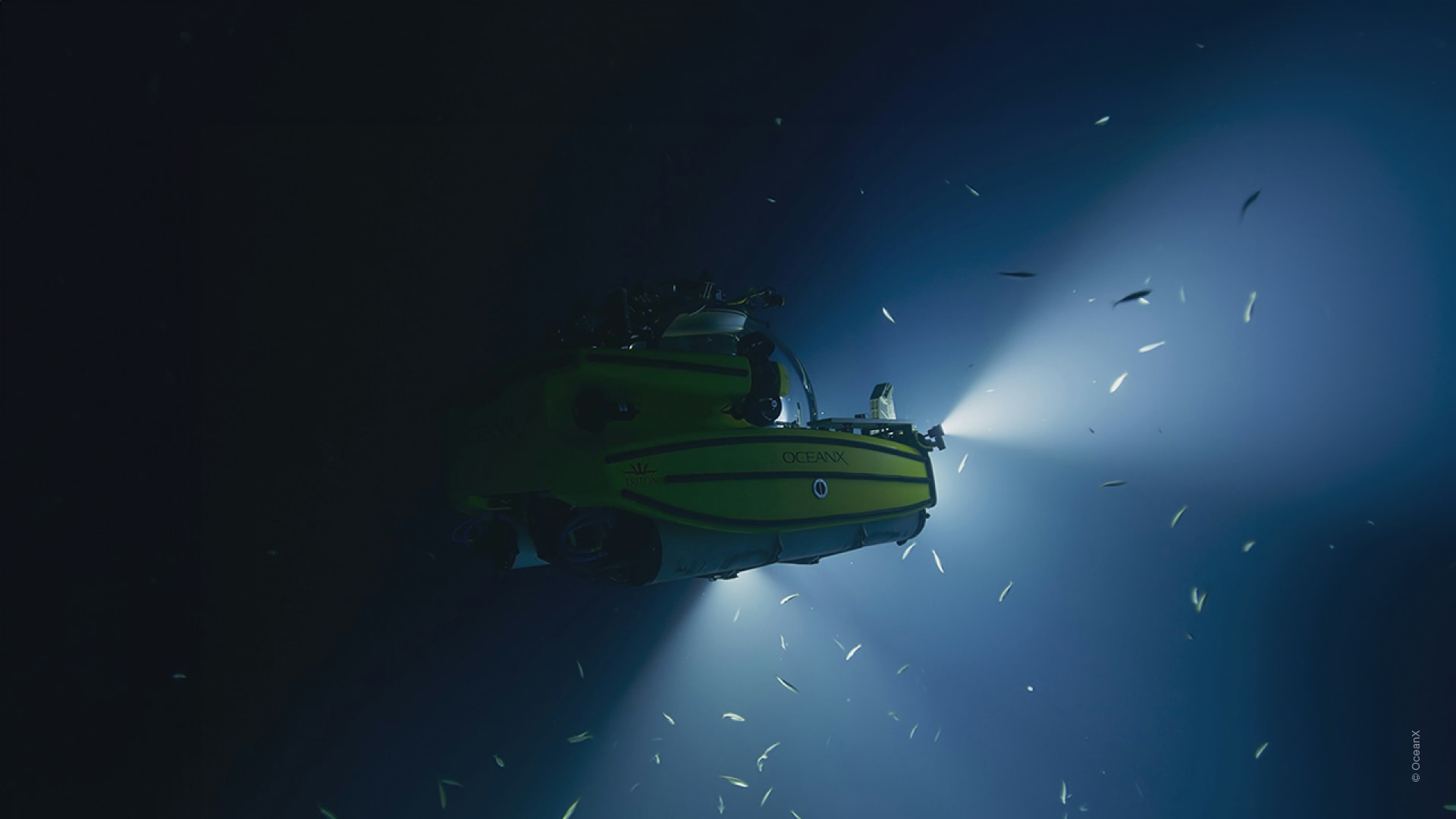
Into the Ocean: Journey Beneath is a collaboration between ArtScience Museum and OceanX, making its world premiere this June. It invites visitors on a descent through the depths of the sea, from the sunlit surface waters to the darkest reaches of the ocean.


