27 May – 29 Oct
Sensory Odyssey concludes in the Discover: Our Nature, Our Stories gallery. In this space, we look back at the seven environments of Sensory Odyssey and introduce you to some unique stories from Singapore and beyond.
Specially commissioned videos spotlight some of the experts in Singapore who advocate for our local biodiversity, engage in on-going conservation efforts and are developing research that gives us a better understanding of the impact of climate change.

Even though grasslands are diminishing habitats in Singapore due to urbanisation, you can find them at spaces like Jurong Lake Gardens. Kartini Omar (Group Director of Parks Development and Jurong Lake Gardens at NParks) highlights how the open rolling grasslands are an important habitat for many small bird species, like the Zitting Cisticola and Barred Buttonquail, that feed on grass seeds and seek shelter in the grass. Hear more about how Singapore’s new national gardens in the heartlands is shaped by the City in Nature vision.
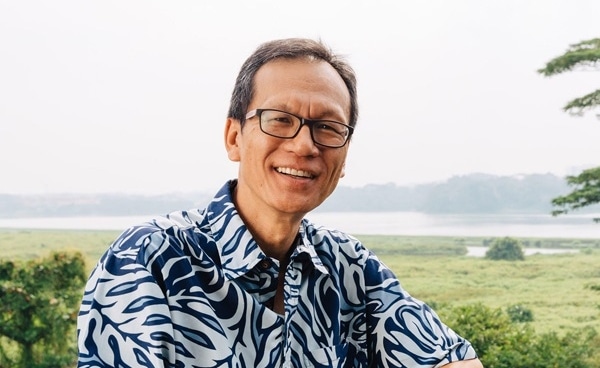
The largest remaining patches of primary rainforests in Singapore can be found at Bukit Timah Nature Reserve, where nature exists in its most pristine form. It is home to an incredible range of biodiversity that includes 146 species of birds, 63 species of butterflies, 34 species of mammals and 1250 species of plants. Meet its resident species and learn about their fascinating life histories from Dr Shawn Kaihekulani Yamauchi Lum (Tropical Rainforest Ecologist, Senior Lecturer at NTU Asian School of the Environment and President of Nature Society Singapore).
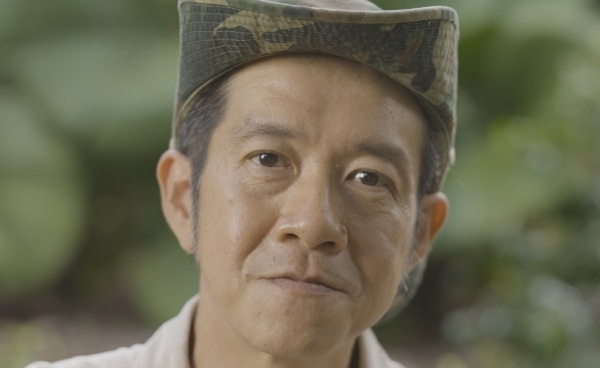
Did you know that Singapore is home to about 25 species of bats that can found across our island from forests, gardens and parks to urban spaces? The Lesser Dog-faced Fruit Bat, the Javan pipistrelle and the Cave Nectar Bat are commonly seen here. Dr Leong Tzi Ming (Naturalist and Nature Guide) points out how these flying mammals are essential members in our native ecosystem and play an important role by pollinating flowers, dispersing seeds and controlling insect populations.
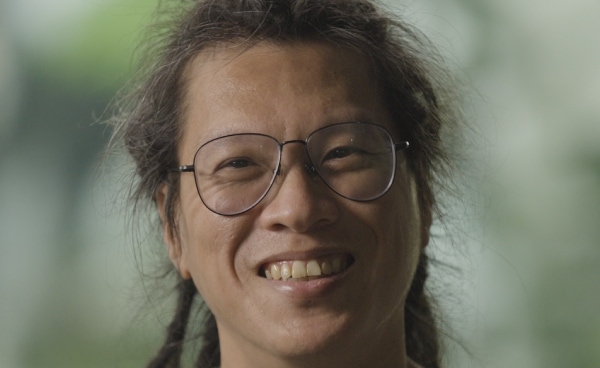
The vast hidden fungal networks beneath our feet are a powerful ally in sustainability, food security, biocultural conservation and climate change. Meet Ng Sze Kiat (Mycological Artist and Founder of Bewilder), the self-taught mycologist who explores the intersections of art, design and science through a collaborative relationship with fungi. He experiments with mycomaterials, mycoprotein and mycopesticides in his research to explore the many ways that fungi could help heal our planet and create a more sustainable future.
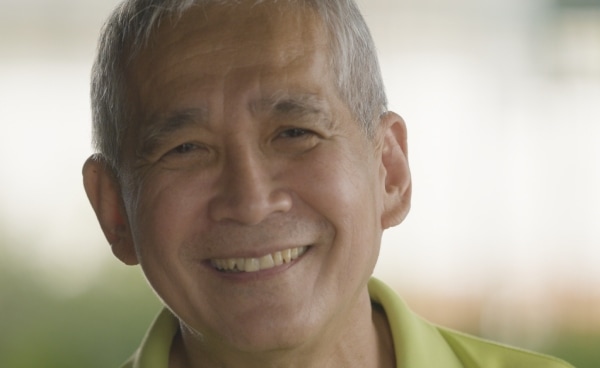
Bees may be small creatures, but they are critical pollinators that help maintain healthy ecosystems for food production. Bee populations are declining around the world due to factors such as habitat loss and pesticide use. Having started one of the few beekeeping facilities in Singapore, John Chong (Beekeeper and Founder of Bee Amazed Garden) is on a mission to make our city bee-friendly. He talks about the beauty, common misconceptions and significance of bees, as well as simple steps that everyone can take to help them.
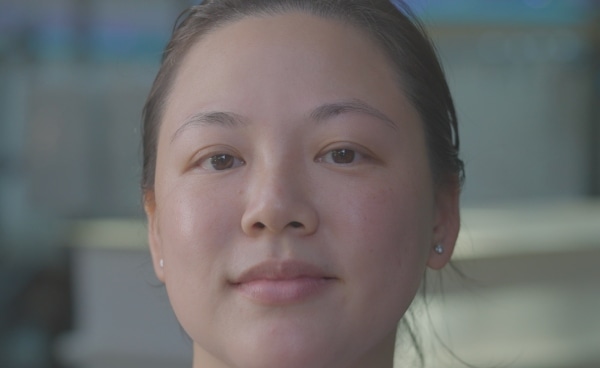
Like sperm whales, giant clams are one of the wonders of our oceanic environments and play an important ecological role. They are reef builders, water filters and providers of food and shelter, all rolled into one. Giant clam populations in Singapore have declined since the 1950s due to overharvesting and the loss of coral reef habitats. Affectionately known as the “Giant Clam Girl”, Dr Neo Mei Lin (Marine Biologist and Senior Research Fellow at NUS Tropical Marine Science Institute) has been fighting to save our iconic giant clams for nearly 20 years. Learn about these majestic creatures and how she and her team are researching ways to improve and protect our marine ecosystems.
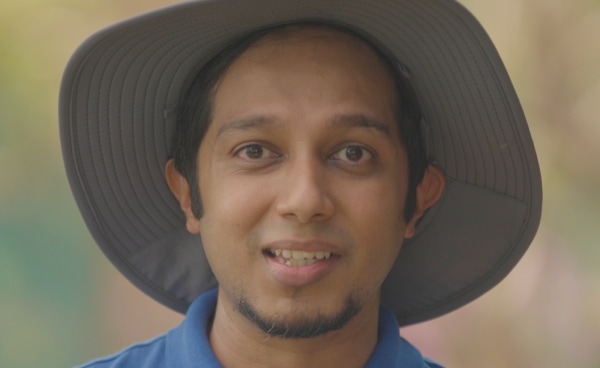
The Arctic may be seen as geographically isolated from the rest of the world, yet its thinning sea ice is connected to melting glaciers in the Andes and the Himalayas as well as the flooding of low-lying island states like Singapore. We are all connected, and the Arctic is a barometer of our planet’s health. Dr Hari Vishnu (Ocean Engineer and Senior Research Fellow at NUS Tropical Marine Science Institute) describes the research that he and fellow researchers are doing on the acoustics of melting glaciers, and how this can more accurately help predict sea level rise that is accelerated by global warming.
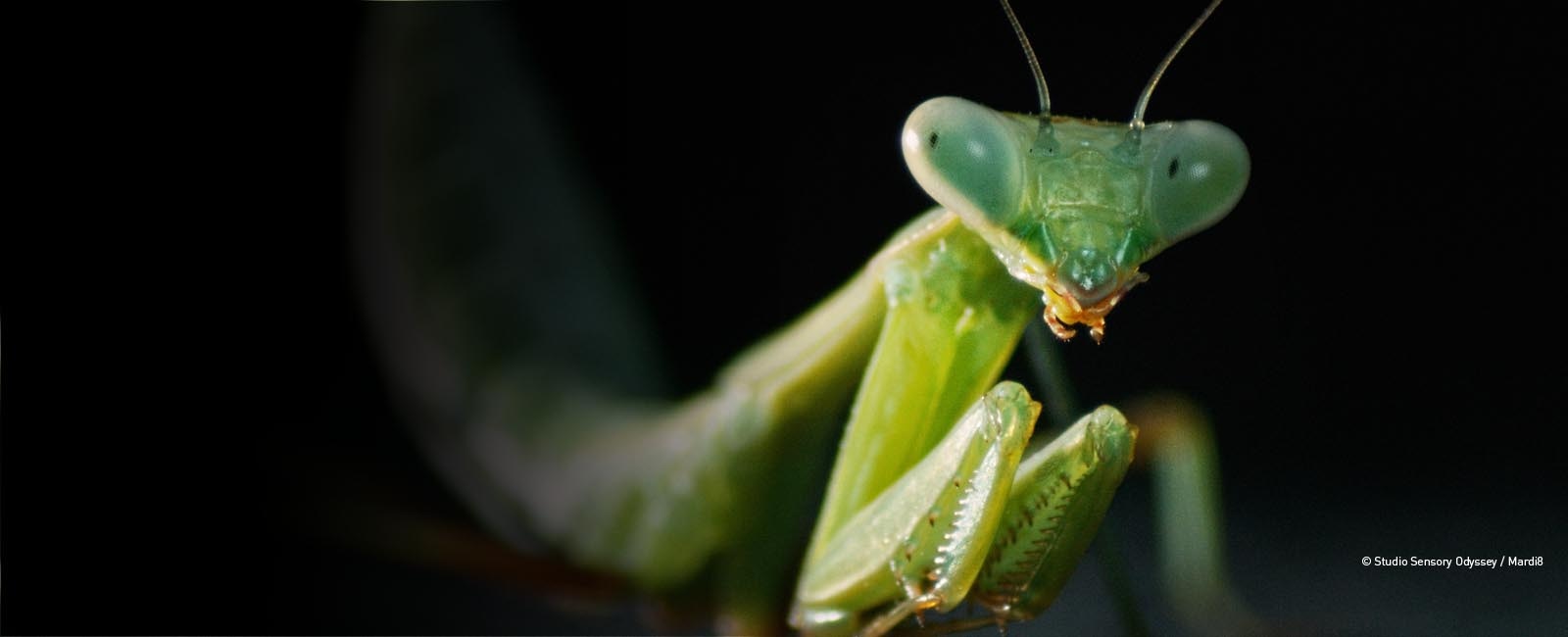
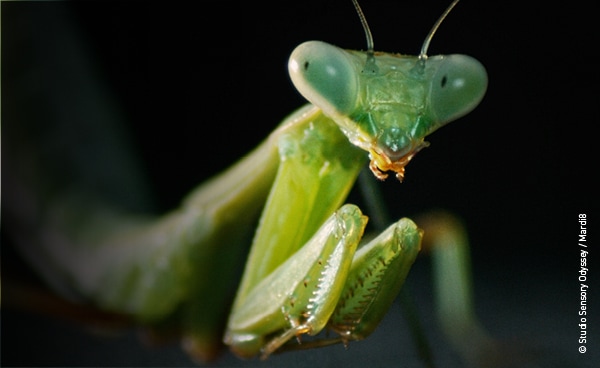
A multi-sensory and immersive exhibition, Sensory Odyssey brings visitors of all ages on a spectacular journey into the heart of our living world.
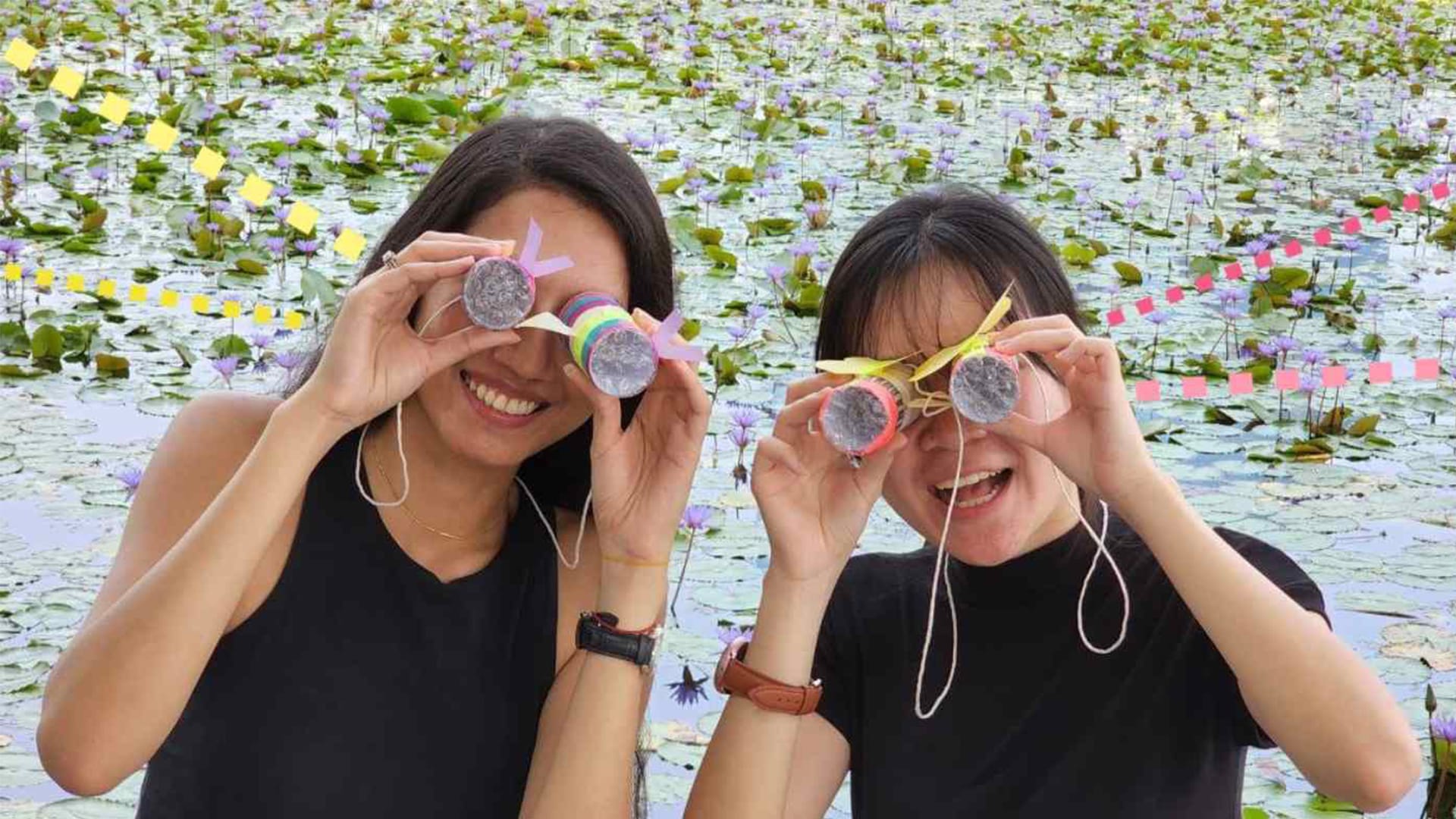
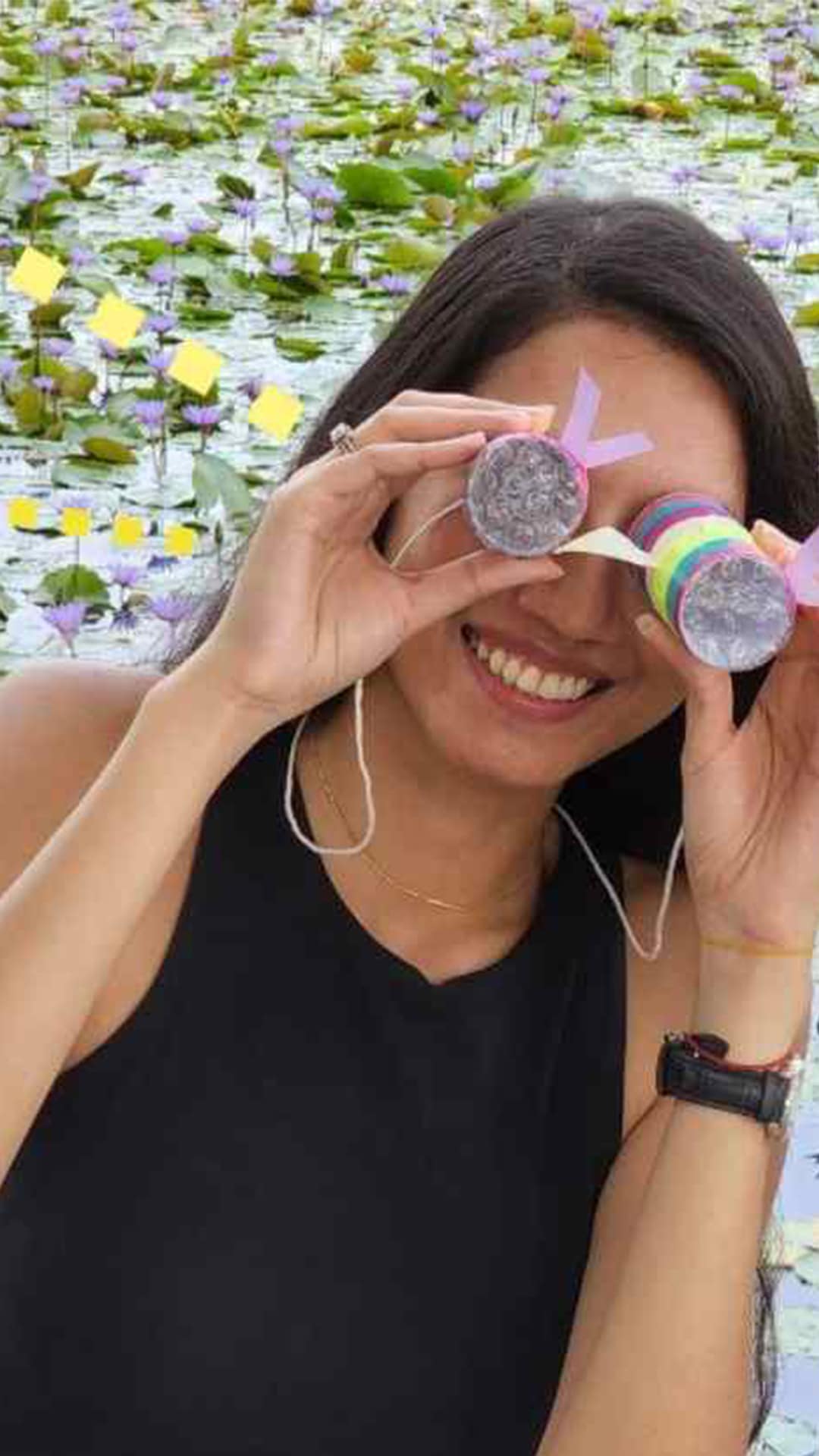
Ever wondered why some animals have really big ears or multiple eyes? Find out more how these super abilities help animals survive in the wild through our crafty drop-in sessions.

Explore what’s happening at ArtScience Museum from exhibitions and events to workshops, screening, talks and guided tours.