The Best Japanese Sake Bars in Singapore
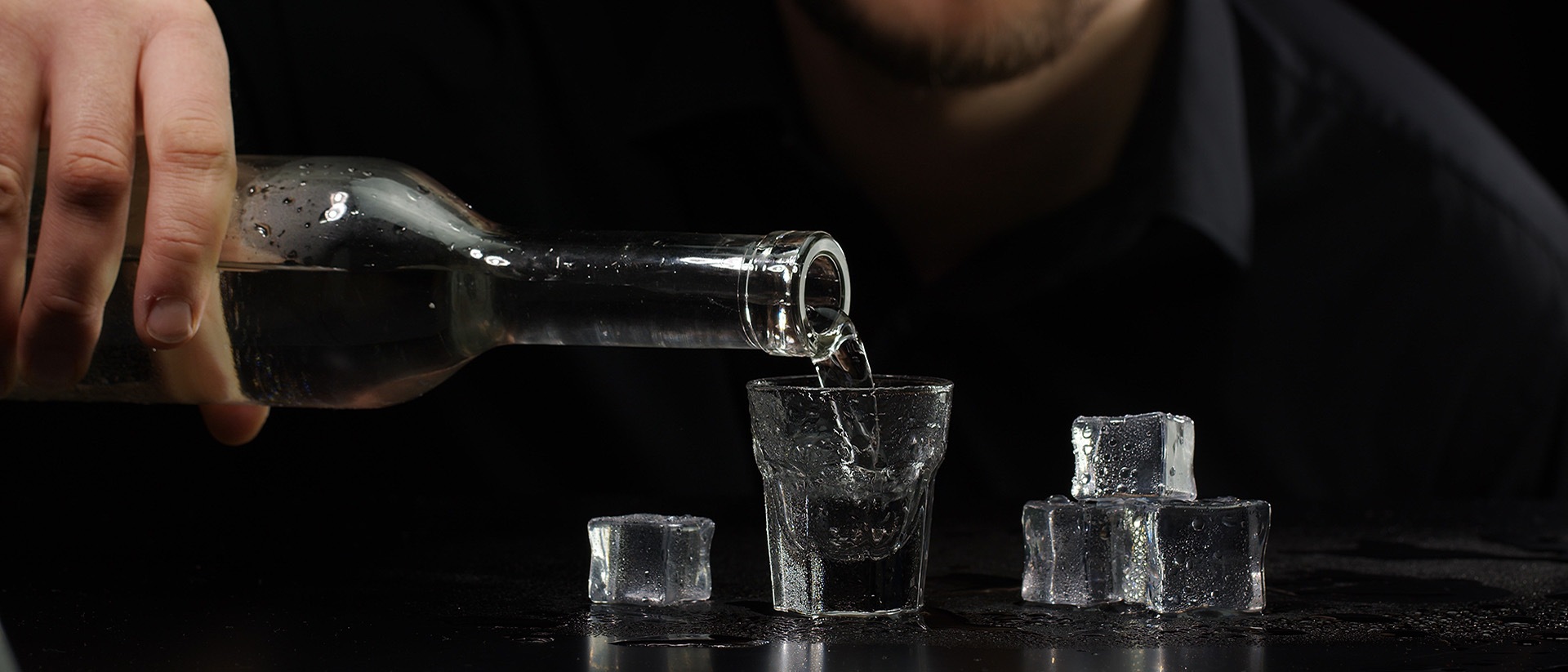
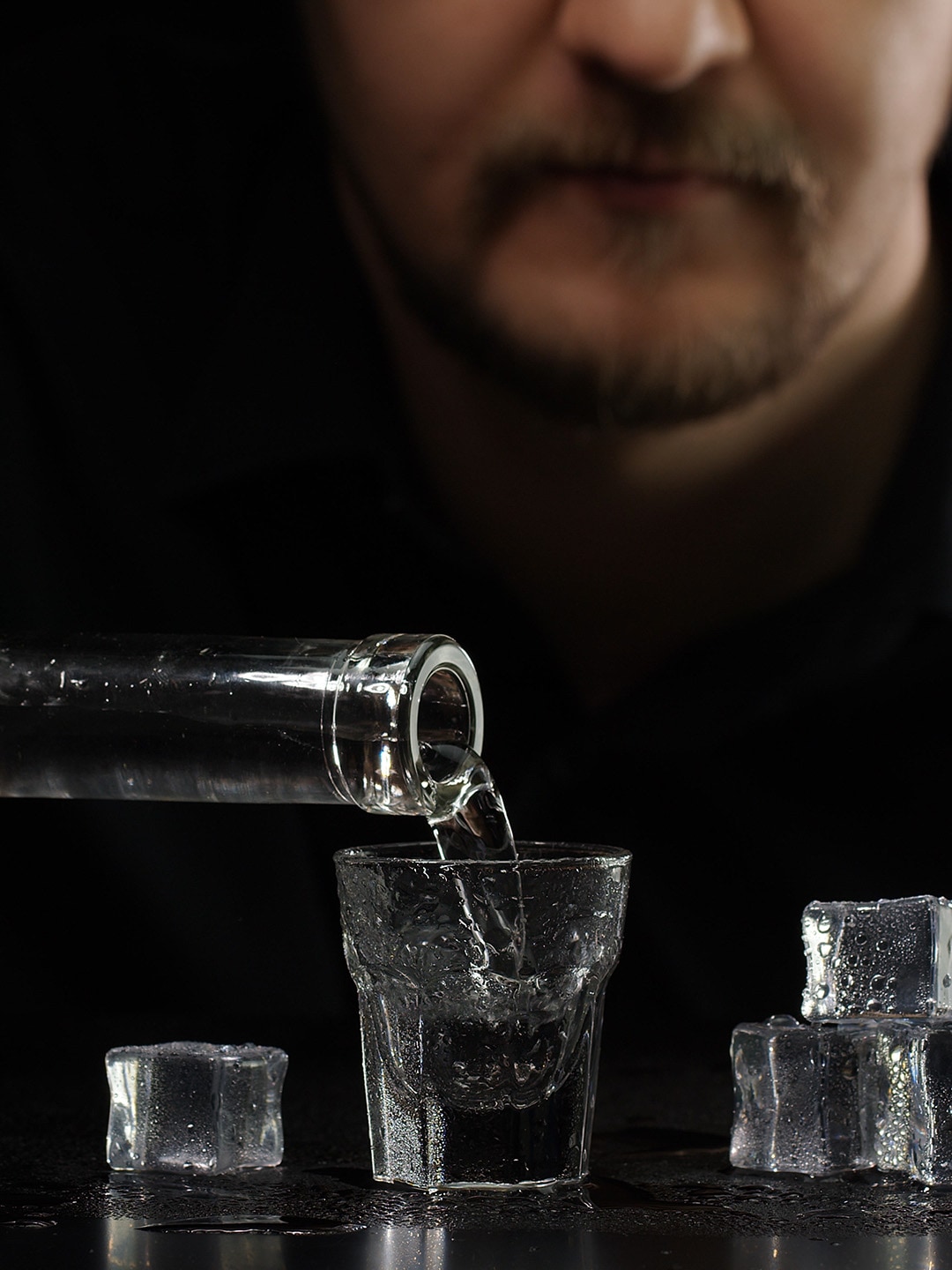
Japanese sake, a traditional rice wine deeply woven into cultural significance, is prized for its craftsmanship, delicate aromas and nuanced flavour profiles.
Uncover rare and highly-sought after sakes, such as Juyondai from Yamagata Prefecture at Wakuda, or one the world’s most famous sake, Dassai 23, at KOMA Singapore.
Uncover a world of nihonshu at these sake bars in Singapore.
Inside Singapore's Premier Sake Destinations
While Japan’s most iconic rice wine can be found across many restaurants and bars, only a select few can offer the care and context that Japanese sake deserves. From curated lists to thoughtful pairings, these sake bars in Singapore offer an exceptional drinking journey, guided by sake sommeliers who add depth to the experience.
Wakuda Restaurant & Bar
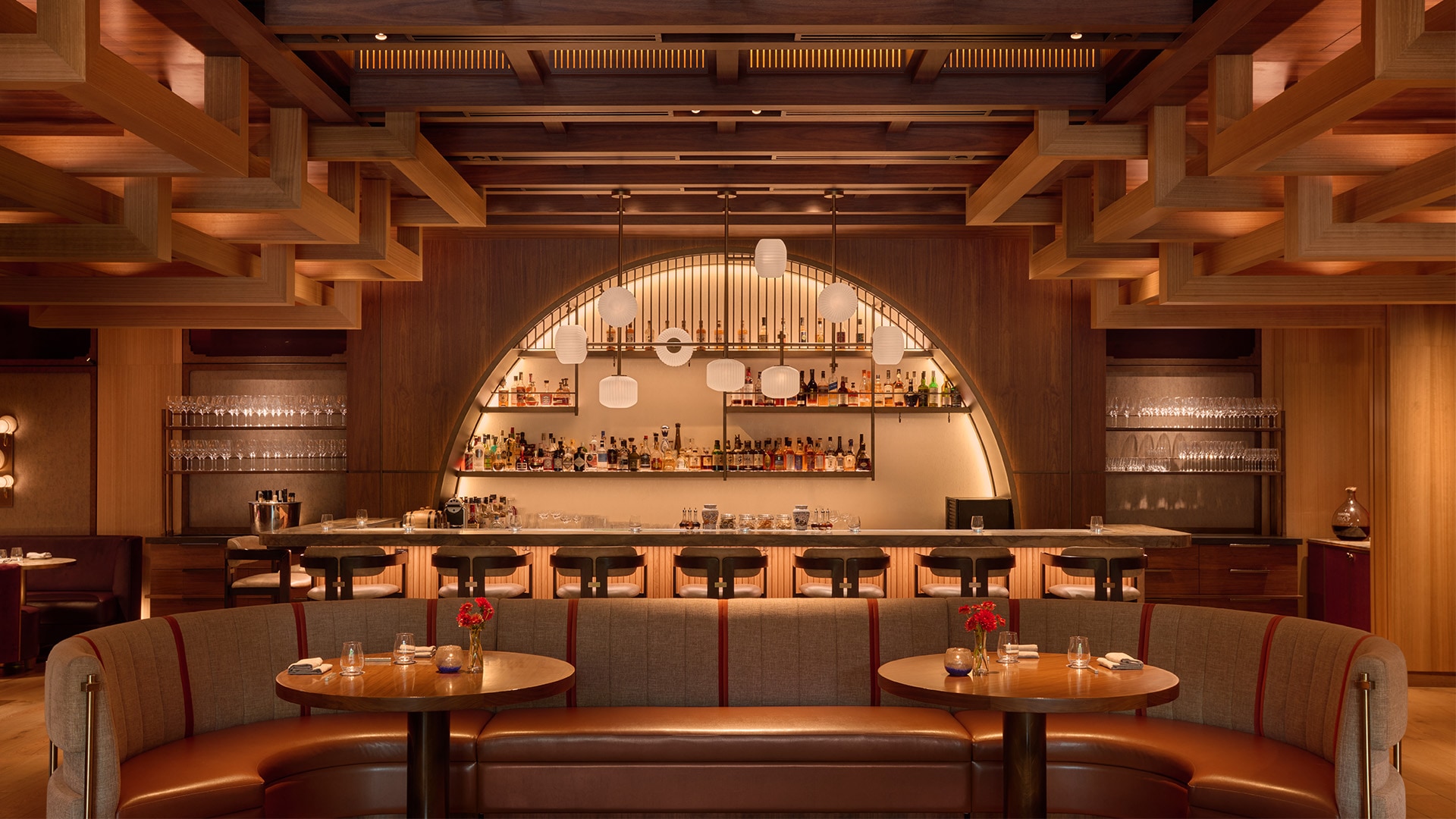
Bringing Tokyo’s pulse to a menu shaped by seasonality and craft, this Japanese restaurant in Singapore houses a wide selection of artisanal sakes sourced from revered breweries across Japan’s most storied prefectures.
Isojiman, W for Wakuda
One of the bar’s signature sake offering is the exclusive Isojiman, W for Wakuda. A rare Junmai Ginjo, brewed by the renowned Isojiman Shuzo brewery for the restaurant alone, it presents a refined tasting experience in every pour.
Well-balanced and crisp with refreshing acidity, it complements sashimi specialties beautifully. Best enjoyed with the Kanpachi Carpaccio, where the sake’s vibrancy cuts through the richness of EVOO while drawing out the fish’s freshness and citrus notes.
Waku Ghin by Tetsuya Wakuda
Experience an intimate dining affair at the Chef’s Table, where an exceptional omakase-style degustation brings together modern European and Japanese cuisine.
Masuizumi, Kotobuki Junmai Daiginjo Platinum Nama
Turn each tasting course into an elevated exploration of nuanced flavours at this revered sake bar in Singapore. For a distinctive pour, opt for Masuizumi, Kotobuki Junmai Daiginjo Platinum Nama, a custom sake brewed and bottled exclusively for Chef Tetsuya Wakuda’s namesake restaurant.
Pair it with the briny, umami-rich flavours of Salmon Caviar and Sea Urchin Seton Rice or the Fresh Oyster with Ginger and Rice Vinegar, where its clean finish balances the seafood’s subtle savouriness. Its graceful finesse reflects Japan’s distinct sense of ceremony, craftsmanship and restraint.
KOMA Singapore
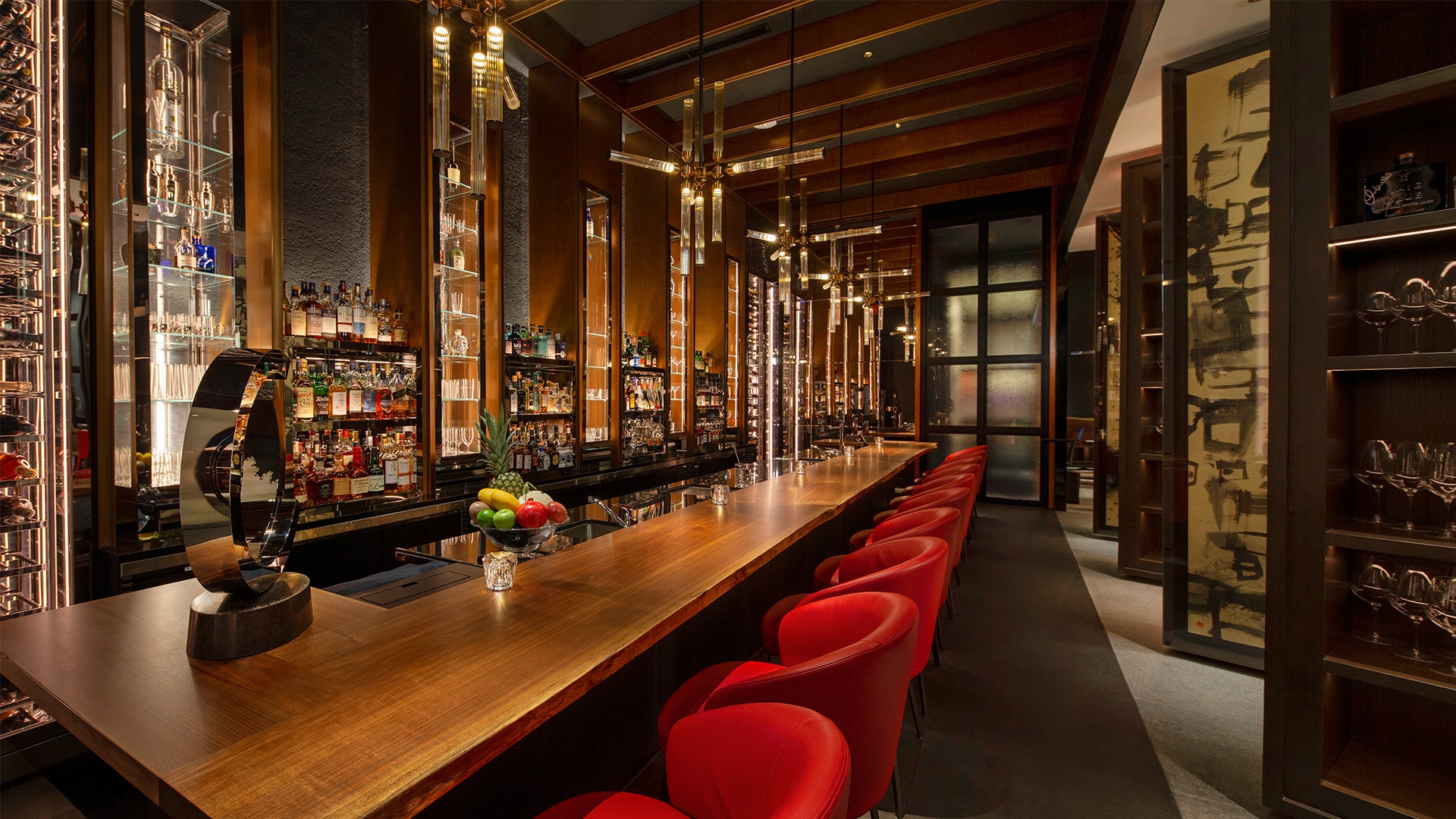
From its grand entrance showcasing vivid red-orange arches to its opulent Japanese-inspired interiors, KOMA stands out among the best sake bars in Singapore.
Dassai 23
Sip on Dassai 23, one of Japan’s most prestigious sakes, produced by Asahi Shuzo in Yamaguchi Prefecture. It opens with mellow floral aromas before revealing a restrained honeyed sweetness on the palate.
Light on the palate, it is one of Japan’s most celebrated Junmai Daiginjo sakes, with rice grains polished down to 23% of their original size, leaving only the pure starch core to ferment and yield a sake of remarkable refinement. Its polished finish makes it a great match for the briny and creamy notes of the Nigiri & Sashimi selection.
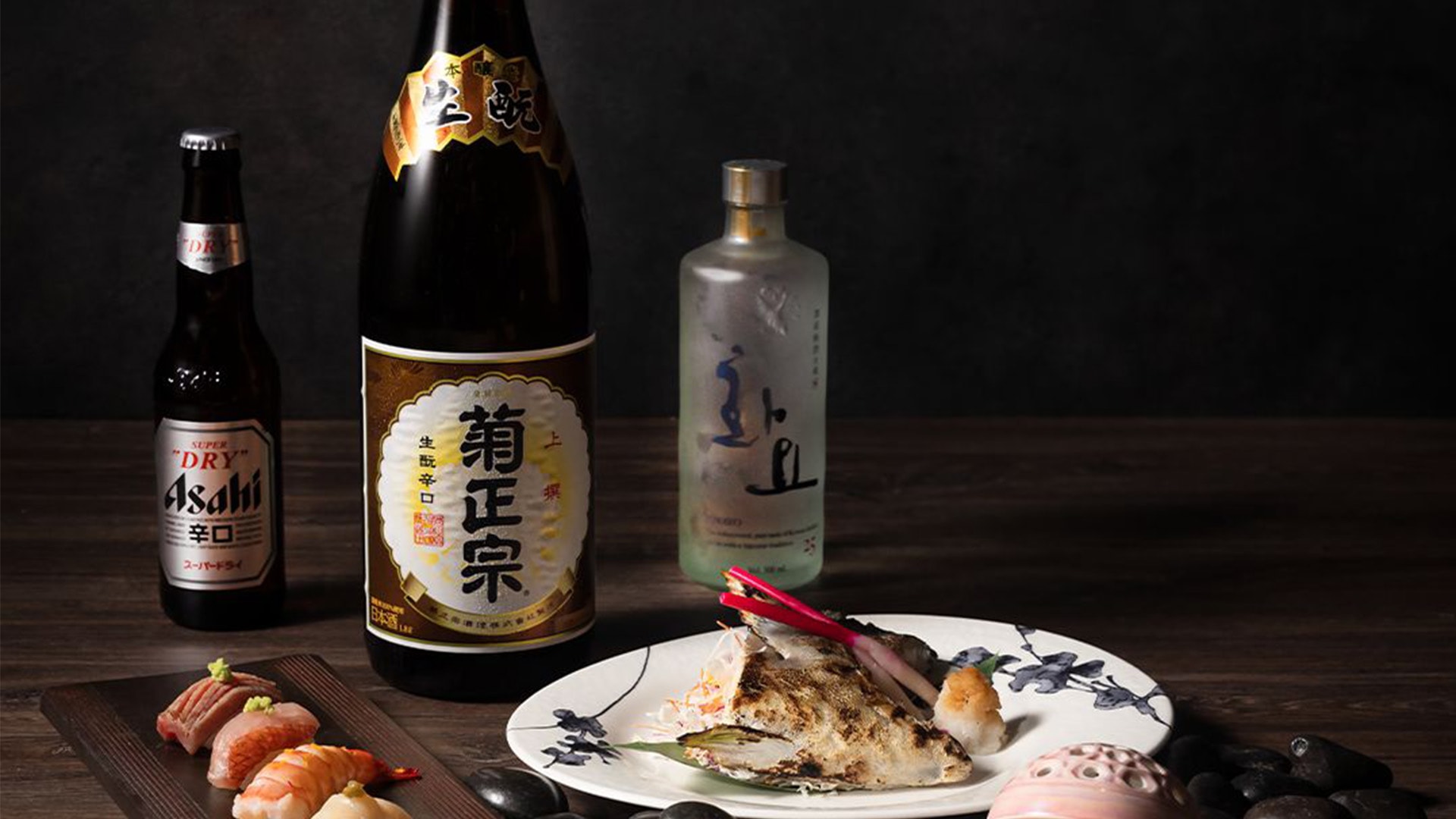
Jumbo Signatures
Set against an elegant backdrop inspired by Singapore’s colonial-era architecture, JUMBO Signatures, a renowned seafood restaurant in Singapore, offers a gateway into the nation’s rich culinary heritage.
Kubota Kaoru Junmai Daiginjo
For those looking for a more distinctive take on the sake bar Singapore experience, the Kubota Kaoru Junmai Daiginjo is a contemporary sake known for its dry and crisp finish (“tanrei-karakuchi”). Enjoying it with Lobster Sashimi becomes a pristine companion with its natural sweetness allowing the sake’s muted fragrance and cool finish to linger.
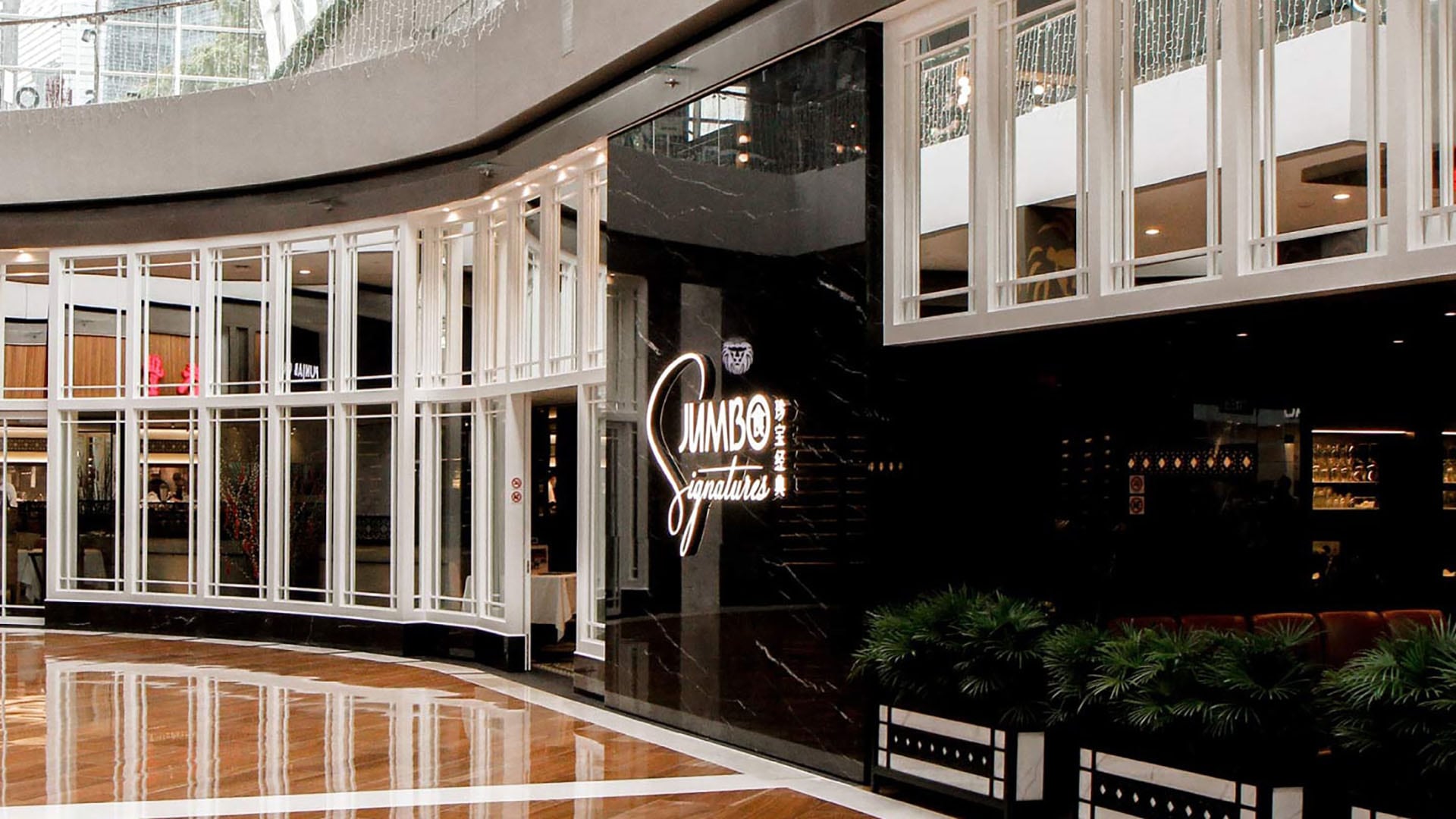
Sen of Japan
Tucked along the Marina Bay waterfront, Sen of Japan offers modern Japanese dining with a front-row view of the Singapore skyline and an extensive selection of Japanese sake.
Kamoshibito Kuheiji Hi No Kishi Junmai Daiginjo (Aichi)
A standout bottle is Kamoshibito Kuheiji Hi No Kishi Junmai Daiginjo (Aichi), a sake that opens with citrus, white fruits and a hint of smoked spice. Rich and smooth on the palate, its firm acidity keeps things lively through a long, elegant finish. It shines with the Hamachi Carpaccio, where slivers of yellowtail, truffle ponzu and kombu meet the sake’s delicate brightness.
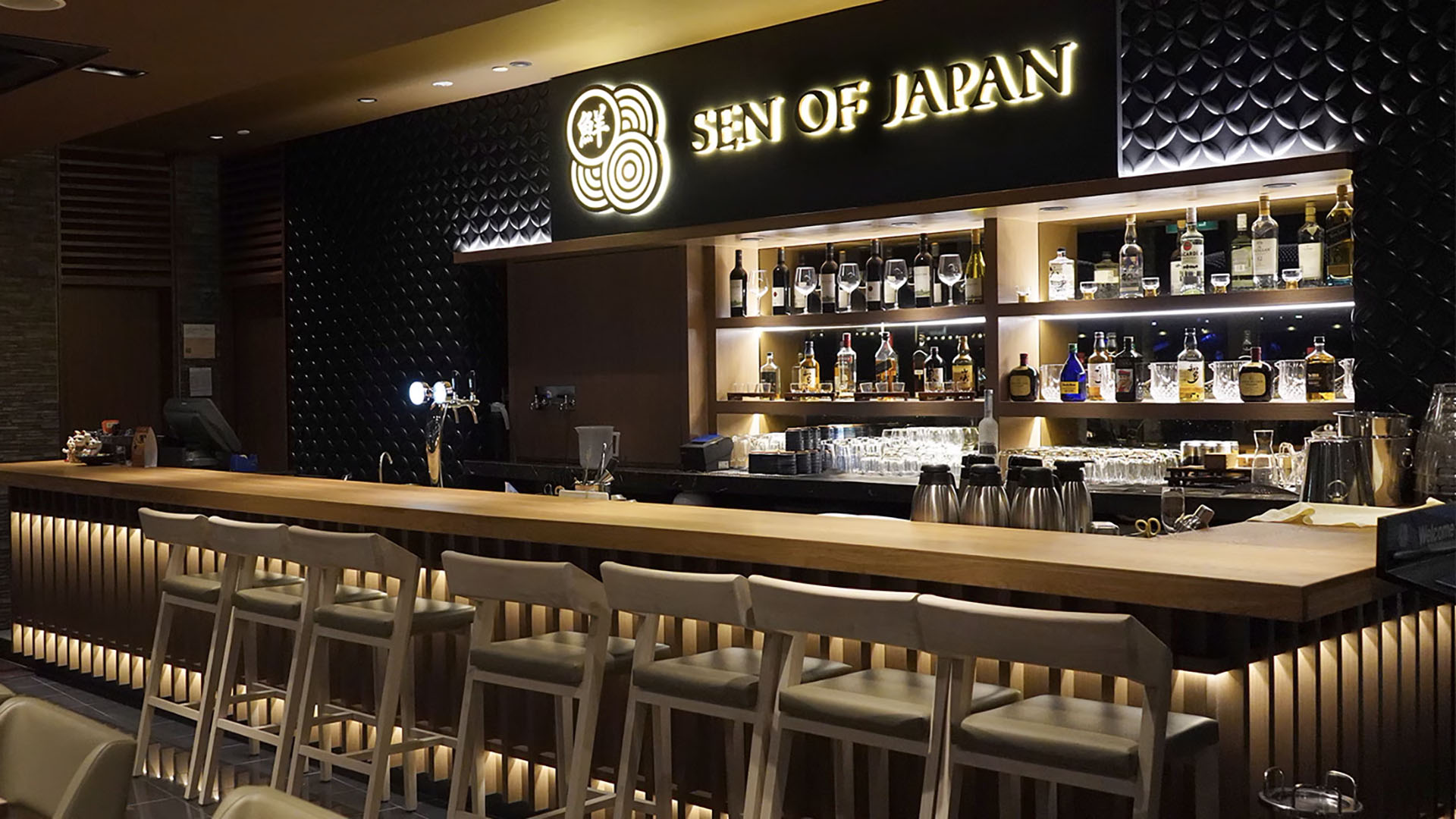
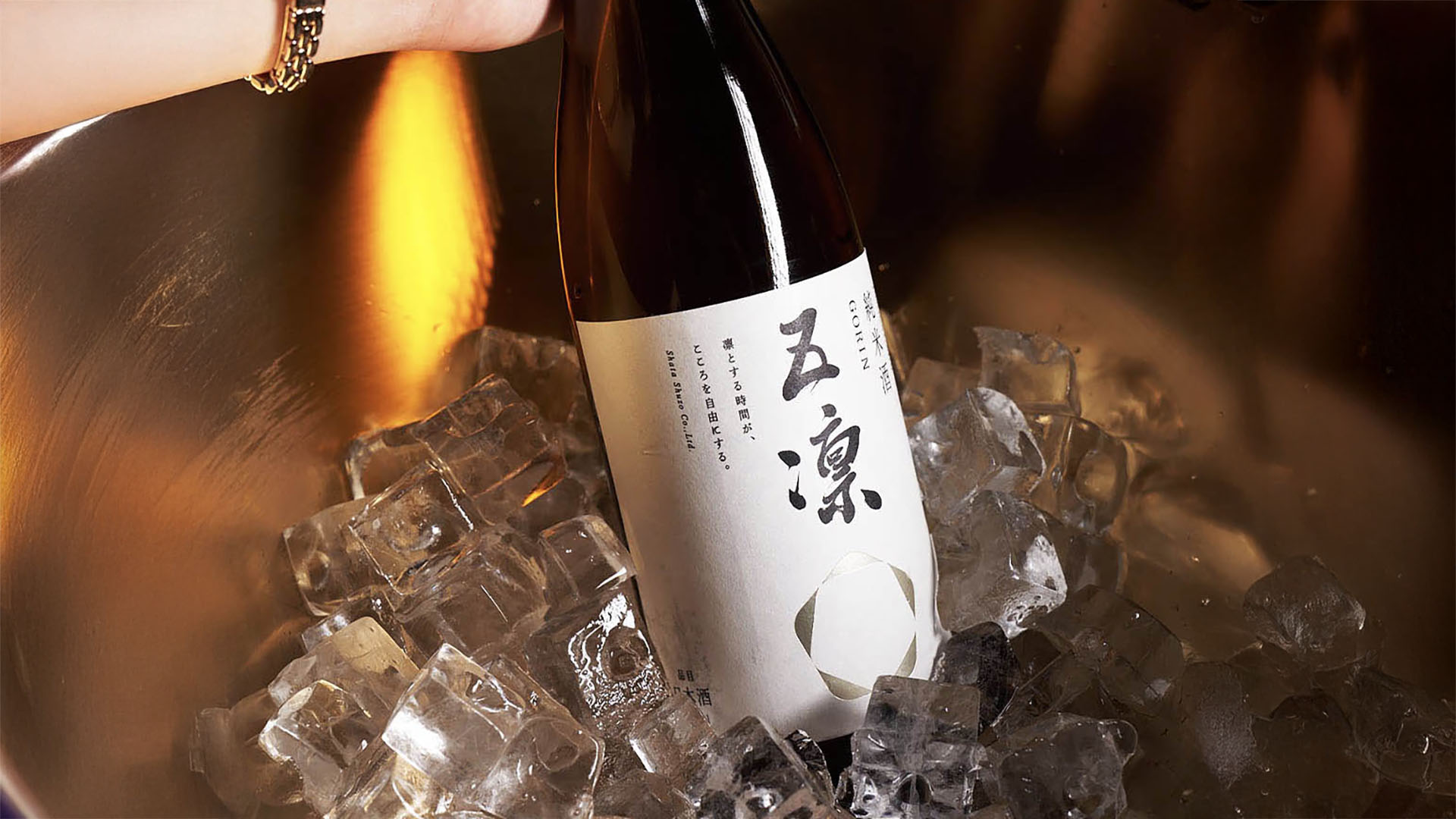
Different ways sake is served
Japanese sake reveals a remarkable range depending on its serving temperature, with each pour drawing out different nuances in aroma, texture and flavour. Whether served warm, chilled, or at room temperature, the way sake is served can shape the character of the drink and the rhythm of the meal.
Hot (atsukan)
Served between 40°C and 50°C, warmed sake brings out a fuller and deeper umami-rich yet sweet flavour. The warmth also lends the sake a more rounded texture, making it especially suited to Junmai-style sakes, where the rice-driven character becomes more pronounced.
Chilled (reishu)
Those who prefer a more refreshing sip, sake sommeliers may recommend chilled sake, usually served between 58°C and 15°C. At this temperature, sake takes on a crisp, clean profile, allowing polished styles such as Ginjo and Daiginjo to reveal their fruit notes, floral aromatics and refreshing finish.
Straight (jouon)
Served at room temperature, Japanese sake offers a more balanced drinking experience. This style brings forward the naturally underlying rice umami without being overwhelming, drawing attention to its modest aroma and a smooth finish.
Updated as of 29 Jun 2026
A doorway into Japan’s most storied breweries, these sake bars in Singapore open a world worth returning to. Elevate the experience with a sake and wine pairing drawn from rare nihonshu labels at any of the omakase restaurants or extend the evening at any of the award-winning fine dining restaurants.
Sign up for a Sands Lifestyle membership to earn Resort Dollars and enjoy exclusive privileges as you stay, shop and dine across participating establishments.